The first time I supervised a birthday party bounce house, I made two mistakes in the first ten minutes. I let a cluster of excited six-year-olds barrel in with their shoes on, then I underestimated the wind. The kids were fine, the socks were muddy, and the stakes went in deeper after a firm reminder from the delivery crew. That afternoon taught me an obvious lesson many parents only realize mid-party: these colorful backyard inflatables look simple, but they’re still specialized equipment. With a little planning and the right habits, you can give kids a fantastic, safe day without spending the party counting near-misses.
This guide distills what I’ve learned across many kids party rentals, from toddler bounce house rentals in small cul-de-sacs to large event inflatable rentals with obstacle courses and combos. We’ll look at how to choose the right unit, how to set up your space, and how to supervise play without turning into a referee whistle. Along the way, I’ll share practical numbers, vendor red flags, and the edge cases that don’t show up in glossy brochures.
What “safe” really means with inflatables
Safety is https://www.sandiegokidspartyrentals.com/category/bounce-houses/ a set of overlapping decisions, not a single rule. Weight and headcount limits protect the structure from overloading. Surface prep and anchoring deal with forces from the ground and wind. Supervision and grouping protect children from each other’s momentum. Maintenance and cleanliness protect against hidden hazards like bacteria, mildew, and frayed seams. Most incidents I’ve seen or heard about come from two or more of these layers failing together, not a single catastrophic error. If you keep each layer strong enough, you can bounce all afternoon without drama.
Choosing the right inflatable for your group
Think about size, age spread, and temperament. A toddler inflatable bounce house with soft pop-ups and a short step is designed for small bodies, light shoes, and a calmer pace. Put ten third-graders in there and you’ll see kids hit the top netting and tumble over each other. Conversely, a big-box jumper designed for teens can feel slippery and intimidating to a two-year-old who has to crawl up a steep entrance ramp. If your guest list includes a wide age range, consider zoning. A small toddler unit on one side, a larger bounce house or an inflatable obstacle course rental on the other. If budget allows, a water slide and bounce house combo can handle mixed interests, but it demands stricter rules about wet-vs-dry transitions.
Look at the footprint and top height. Many party inflatable rentals list dimensions like 13 by 13 feet or 15 by 15 feet, but you should add a safety buffer of 3 to 5 feet on each side for stakes, blowers, and safe egress. Height matters under trees, power lines, and roof eaves. A typical residential unit ranges from 12 to 17 feet high. Do a quick walk of your yard with a tape measure, not a guess.
Weight limits and headcounts are not interchangeable. A bounce house might be rated for 800 to 1,000 pounds, yet the safe user count for 6-year-olds might be 6 to 8, while for 12-year-olds it might be 4 to 5. Reputable inflatable rentals post charts with age ranges and maximum riders. Ask for it in writing so you can enforce it without being the bad guy.
What a good local bounce house company looks like
The rental company sets the tone. A solid local bounce house company will ask questions about your space, your event schedule, the age of kids, and whether power is available. They should offer certificates of insurance upon request and be able to describe their cleaning process without hesitation. “We spray and wipe after every rental and deep clean weekly” is reasonable. “We hose it off, it’s fine” isn’t. If you’re booking event inflatable rentals for a school or church, check that they can provide additional insured documentation and that their policy covers the venue.
Ask about anchoring. For grass installs, heavy steel stakes on all anchor points are standard. On asphalt or concrete, water barrels or sandbags are normal, but the amount matters. A small 13 by 13 might need 8 to 12 sandbags of 50 pounds each. Larger combos can require 300 pounds or more per anchor point. If the vendor shrugs off anchoring questions, find another vendor.
Look at their policies around wind and weather. A professional crew will cancel or reschedule for sustained winds above 15 to 20 miles per hour, lower if the unit is tall with large side panels. They should bring an anemometer, not rely on a weather app guess. For rain, vinyl gets slippery. Some units allow light rain with tightened rules and fewer riders. Water slides are designed for wet play, standard bounce houses are not. Clarity here is a safety issue, not a customer service nicety.
Finally, notice the blower. It should be a commercial model from a recognized manufacturer, properly rated, with intake guards intact and cords that are thick, grounded, and free of tape bandages. I once saw an extension cord as thin as a phone charger trying to power a 1.5 horsepower blower. That’s a tripping hazard and a fire risk. Heavy 12-gauge outdoor cords are the norm for runs up to 50 to 100 feet.
Surface prep you can do the day before
Walk the yard and pick up sticks, rocks, and dog toys. Look for sprinkler heads, landscape lighting, or shallow utility covers. Mark them with flags or painter’s tape so the crew knows what to avoid. If the ground is uneven, find the flattest area and anticipate where the blower will sit. You want clear airflow and a cord path that won’t cross where parents walk with plates and drinks. If you’re on a patio or driveway, sweep loose gravel and sand. Small grit acts like ball bearings under socks.
Think about shade and sun. Black vinyl gets hot. If your party lands on a sunny afternoon, children will bounce until they hit the floor and then jump back up as if they touched a stove. A simple pop-up canopy near the entrance gives you a cool staging area for shoes and a spot for water cups. If your unit has a roof, that helps, but direct heat still radiates through. A spray bottle can cool surfaces on a dry day, but don’t soak a non-water unit.
Plan the shoe and snack zone. A few shallow bins for shoes keep laces from tangling around blower cords. A towel station catches grass and dew. Set the snack table far enough away that crumbs don’t migrate into the unit, because food inside a bounce house turns into grit that scratches skin, and sticky spills invite ants.
Anchoring and wind: how to think about invisible forces
Air-filled structures act like sails. On a breezy day, the unit shifts in small pulses that you can feel in your knees when you stand inside. That’s normal. What’s not normal is lift or sliding. Stakes should be driven fully into the ground at an angle recommended by the manufacturer, usually 45 degrees outward, with straps tight and centered. On hard surfaces, sandbags or water barrels should be fastened to every tie-down point, not just the corners. If you see anchor points unused, ask why.
Wind guidance varies by manufacturer, but a conservative rule many pros follow is to remove riders at 15 to 20 mph sustained wind or gusts above that range, and to deflate if gusts are frequent or rising. An anemometer costs less than a video game, and if you host several parties a year, owning one takes the guesswork out. Watch tree leaves and flags for cues. If you need to squint and lean into the wind to keep your hat, it’s time to pause the fun.
When in doubt, deflate temporarily. A controlled pause is inconvenient. A sudden gust lifting a wall while kids are bouncing is dangerous. Teach kids that a deflate break is like a halftime. Snacks, water, then back to play when the unit is stable again.
Power and placement: don’t wing the electricity
Commercial blowers draw meaningful current. A typical 1.0 to 1.5 horsepower blower draws 7 to 12 amps. Two blowers can push a single 15-amp household circuit to the edge. Ask your rental company how many blowers your setup requires and whether they can share a circuit. If your home’s exterior outlets are on the same circuit as the kitchen, a microwave or blender inside can trip a breaker mid-bounce.
Keep cords out of walkways or cover them with rubber cable ramps. Tape on concrete helps but peels in heat. If it must cross a path, keep it flat, marked, and stroller-friendly. GFCI protection is a must, especially anywhere near water features or wet grass. If your breaker trips more than once, stop and call the vendor. Don’t daisy-chain extensions or reduce gauge to “make it reach.”
Give the blower breathing room. The intake should not be against a wall, bush, or pile of party supplies. A suffocated intake overheats motors and weakens airflow, and weak airflow softens walls, which changes how kids land and collide.
The rules that reduce most injuries
Here’s the simple truth: the rules feel fussy for ten minutes, then they turn into muscle memory and make the whole day easier. Many parents delegate supervision to older kids. That’s fine for line management, not for rule enforcement. Have one adult present who is comfortable giving short, clear commands at a normal volume. Kids take cues from confidence.
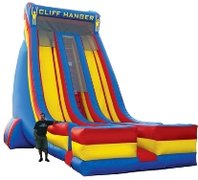
A concise set of ground rules works best when you post it near the entrance and read it out loud once. When kids know what to expect, you do less interrupting.
List 1: Five rules to say out loud before the first bounce
- Shoes, glasses, and hard toys off. Empty pockets. Same-size groups only. Big kids wait their turn when littles are inside. No flips or diving into walls. Feet first on slides. One at a time climbing up. Clear the landing zone immediately. If you fall or feel scared, crawl to the door. Adults will help right away.
“Same-size groups” is the rule that saves the most arguments. The difference in mass between a five-year-old at 40 pounds and a ten-year-old at 80 pounds doubles the force in collisions. Grouping by size reduces that mismatch. A timer on your phone, set to three or four minutes, keeps rotations smooth. Use names, not “hey you,” and kids respond faster.
Limit the headcount. If the unit says eight riders max for ages 6 and under, treat that as a cap, not a starting point. I prefer to underfill by one slot so there’s breathing room. The last child in line is never as patient as the first, and you’ll be tempted to squeeze one more in. Don’t. It changes the dynamics. Fewer kids means more jumping, fewer pileups, and less heat.
Keep the entrance clear. The most chaotic moments happen at the door, where eager riders try to push in while others try to exit. A small carpet or mat defines a boundary. Parents waiting with toddlers can stand behind it. If you can position the blower opposite the entrance, you’ll avoid the sightline confusion of kids ducking around hoses.
Water, soap, and the slippery truths
Water slides and combo units come with their own rhythm. Wet vinyl is slick. That’s part of the appeal. It also accelerates bodies. For a water slide and bounce house combo, forbid running across the wet bounce surface unless it’s specifically designed for wet play. Some combos have textured floors or drain ports. Ask your vendor which zones can get wet.
Use only the water source the vendor approves. Don’t add soap to “make it faster.” Soap turns into foam that obscures visibility and stings eyes, and it makes ladder rungs treacherous. If grass turns muddy, make a drying path with towels or old bath mats from the slide exit to the staging area. Wet feet on concrete can turn a happy sprint into a hip bruise.
Mind the temperature. On hot days, a water feature keeps kids from overheating. On breezy days with cool shade, wet children get cold and shiver, which reduces coordination. Rotate in dry breaks with snacks, and keep towels rotating in the sun so they don’t feel like cold tarps.
Hygiene and cleaning: what to expect and what to do
A clean unit has a faint disinfectant smell without being harsh. The vinyl should feel slightly tacky but not grimy. Seams and corners are where crumbs and dirt collect. A quick visual check during setup tells you a lot about how the company operates. If you see mildew spots or sticky residue near the entrance, speak up before they finish staking. It’s easier to swap than to sanitize on site.
Hand sanitizer at the entrance is a small upgrade with outsized value, especially during cold season. Encourage a quick pump before kids go in. For toddlers, wipes handle sticky hands and noses better. Keep open drinks and juice boxes away from the bounce area. If a child throws up inside, stop immediately. Ask the vendor for their biohazard policy. Most will deflate, clean, and sanitize, or replace the unit. It’s not just gross. Vomit is acidic and can damage stitching and adhesives if left to sit.
Special considerations for toddler bounce house rentals
Toddlers don’t fall like older kids. They topple. They also chew. Look for a toddler unit with low side walls, easy steps, and soft pop-up features that give gentle resistance. The mesh should have small openings, and the entrance height should be knee-level to an adult so you can reach in easily.
An adult should be physically within arm’s reach of the entrance. Don’t expect toddlers to form a line or rotate on timers. Two or three inside at a time is usually plenty. If older siblings hover, assign them a job as gate helpers or towel runners. Giving them purpose keeps them from “helping” by demonstrating how high they can bounce over their baby brother.
Shoes off is non-negotiable, but socks can be slippery on some surfaces. Grippy socks or bare feet are safer than thick, smooth socks. Watch for pacifiers, hair clips, and small toys drifting into the unit. These become choking hazards mid-bounce.
The quiet hazards adults forget
Jewelry and watches can tear vinyl and scratch children. I’ve seen a single charm bracelet leave a long cosmetic scar that took a vendor hours to patch later. Keys in a parent’s pocket can puncture a wall when kneeling to pick up a child. Set up a valet tray near the shoe bins for adult pockets, not just the kids.
Pets are curious and sometimes anxious around blowers. Dog claws and vinyl don’t mix. Keep pets indoors during set up and teaching time. Later, if your dog is calm, a leash at a shaded distance works. Cats will pretend none of this is happening and appear at dessert.
Dust and pollen collect faster than you expect on dry, windy days. A soft broom or towel across the entrance once per hour keeps the interior from turning sandy. It’s a small thing that cuts down on minor abrasions and red knees.
When to pause or stop the fun
There are red flags you should treat seriously. If you see a wall sagging more than a few inches inward, check the blower tube and zippers. If everything looks connected and zippered, you might have a power issue or an internal baffle problem. Clear the unit and call the vendor. If the anchor straps loosen or a stake pops, don’t try to re-stake while kids are inside. Deflate, fix, reinflate, then resume. If kids are sliding into a pile at the base of a slide faster than you can clear it, reduce riders, increase spacing, or close the slide for a cool-down interval.
Weather is the big one. Sudden gust fronts ahead of a storm can spike winds without the sky looking threatening. If you feel the unit lift under your hand when you press on a wall, or you see corners shifting more than an inch or two with gusts, call a timeout.
A quick booking-and-day-of checklist
List 2: Five steps that keep your rental on track
- Ask for insurance, cleaning process, and anchoring plans before you book. Measure the yard, note outlets and circuits, and confirm blower count. Prep the surface, mark obstacles, and set up shade and a shoe station. Post rules at the entrance and group kids by size with short rotations. Watch wind, cords, and anchor points, and don’t hesitate to pause play.
Keep your vendor’s number handy. A responsive team will answer questions fast and would rather help early than fix damage later. If you’re working with a company new to your area, ask for references or recent photos of their inflatable party equipment. Many excellent small operators exist, but quality varies.
When bigger feels better, and when smaller is smarter
Families often look at inflatable obstacle course rentals because they feel safer: kids are moving forward, not bouncing into each other in a confined square. That’s partly true. Obstacles distribute bodies along a path, so collisions are side-to-side rather than head-on. The risks shift to crawling bottlenecks and ladder scrambles. If you have lots of competitive kids, an obstacle course reduces “king of the hill” behavior inside a square jumper, but you’ll need a dedicated adult at the entrance to pace starts and another at the exit to help kids clear quickly.
For modest backyards, a standard bounce house rental in the 13 by 13 range paired with lawn games gives you more control. Less spectacle often equals better supervision. In small spaces, kids rotate faster, adults can see everything, and the novelty doesn’t spike into chaos. If you want water without the footprint of a giant slide, consider a compact water slide and bounce house combo with a short slide and splash pad instead of a deep pool. Depth introduces a different category of risk, and shallow is kinder to a mixed-age crowd.
After the party: wrap-up and vendor feedback
Do a final sweep inside the unit before the crew arrives for pickup. You’ll often find socks, hair ties, and a surprising number of superhero capes. Let the blower run until they arrive so the unit dries as much as possible. If something went wrong, say so. Good companies adjust training and maintenance based on customer reports. If everything went right, a quick review helps other families choose well.
Expect the crew to inspect anchor points and run the blower briefly before deflating. They might use a leaf blower or towel to remove debris. If they rush and leave cords tangled or skip anchor removal, that’s telling. Professionals leave your yard like they found it, minus the excited footprints.
Final thoughts from the lawn
Safe and joyful are not opposites. The best parties I’ve hosted or helped with had a calm center even when the music was loud and the laughter bounced. Children feel it when adults have a plan. They rise to it. Parents can chat without scanning every second. The inflatable becomes a background rhythm rather than a stressor.
Choose the right size for your crowd, hire a company that treats inflatable party equipment like the professional gear it is, and take five minutes at the start to set expectations. From there, it’s just resets and refills: water cups, sunscreen, big smiles when a nervous kid finally takes a turn. With a little care, bouncy castle rentals deliver the best kind of childhood memory, light on fear and heavy on air.